We all have been (or at least me) holding a part of my breath ever since James Web Space Telescope (JWST) went up there after a long wait. Not just to see things we haven’t seen before in a new a whole new perspective but also discover new mysteries that would through away what we know now. That’s exactly what happened.
The First Impossible:
JWST’s first mind blowing discovery that made scientists question what we know today about the big bang theory.
JWST peered back in time and spotted galaxies that formed just a cosmic blink (a few hundred million years) after the Big Bang. These young galaxies are some of the earliest structures ever observed, challenging our understanding of how quickly galaxies could form. It’s like finding baby photos of the universe that we didn’t know existed.

These galaxies are incredibly bright and compact, indicating they were forming stars at a rapid pace. The discovery of these early galaxies suggests that star formation and galaxy assembly began much sooner than previously thought. This forces scientists to rethink their models of galaxy formation and the conditions of the early universe. It’s an exciting revelation that gives us a glimpse into the universe’s infancy, showing us how the first cosmic structures came to be.
The Second Impossible:
Even before we could fully comprehend and wrap our heads around this, a second impossible discovery popped up by our wonderous JWST, possibly while trying to find something that could make sense of the first impossible discovery.

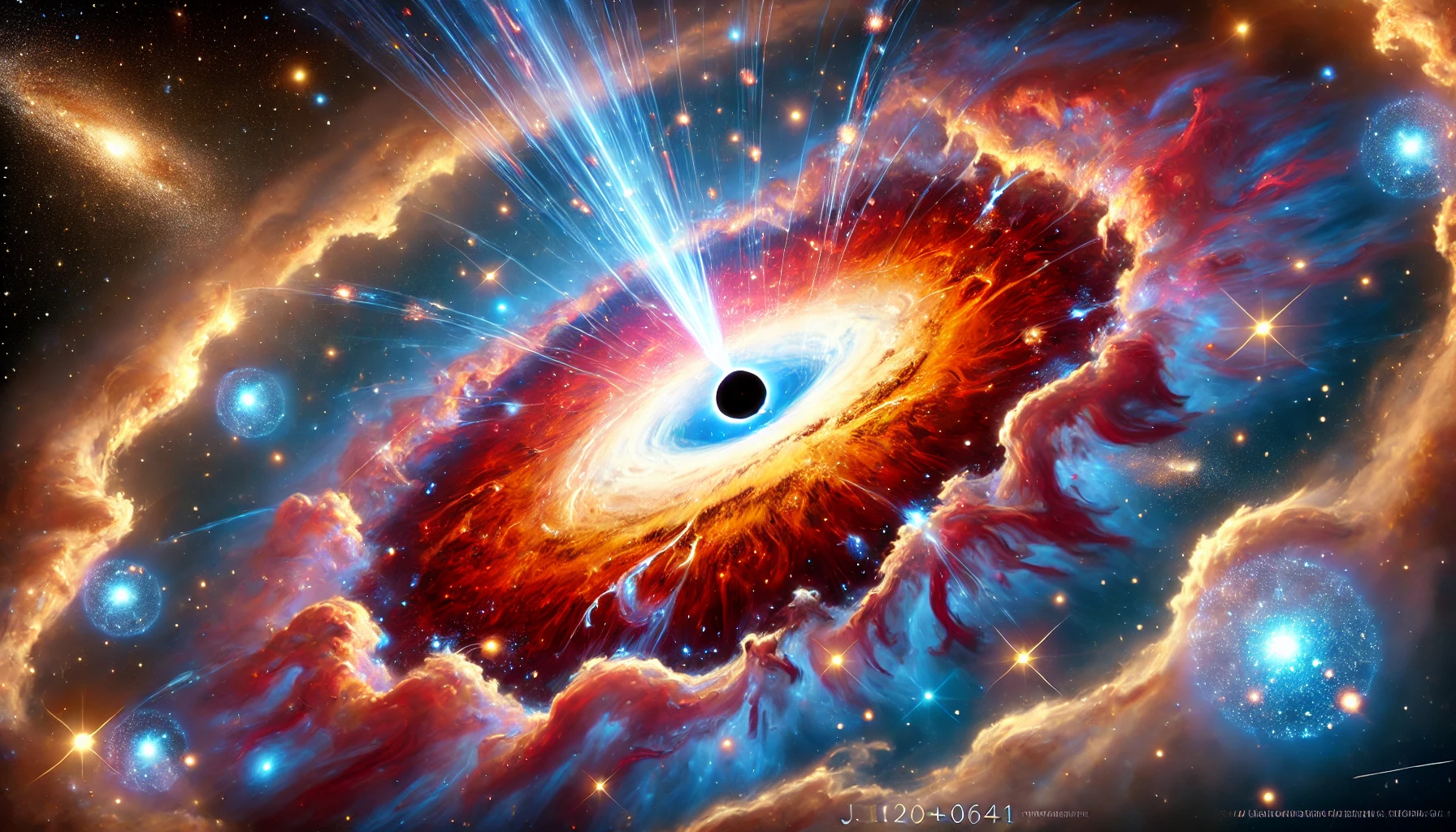
About 500 million years after the Big Bang, it spotted a supermassive black hole in the galaxy J1120+0641. This black hole is over a billion times the mass of our sun! But here’s the kicker – it’s not feasting on its surroundings like we expected. Would you believe that? It once again made us question why a supermassive blockhole is not feeding like its known to us so far?
This discovery hints that early black holes might have taken a different growth path. Could they have merged with other black holes? Or did they form from some unknown processes? Scientists are now rethinking their models and planning new observations to uncover these mysteries.
Understanding these early giants helps us piece together the puzzle of the universe’s infancy. It sheds light on the conditions and dynamics of the cosmos when it was just a baby.
The JWST is just getting started, and who knows what other cosmic secrets it will reveal? Stay tuned as we continue to explore the final frontier and uncover the mysteries of our universe!
Until then, Keep looking up!





Leave a Reply