
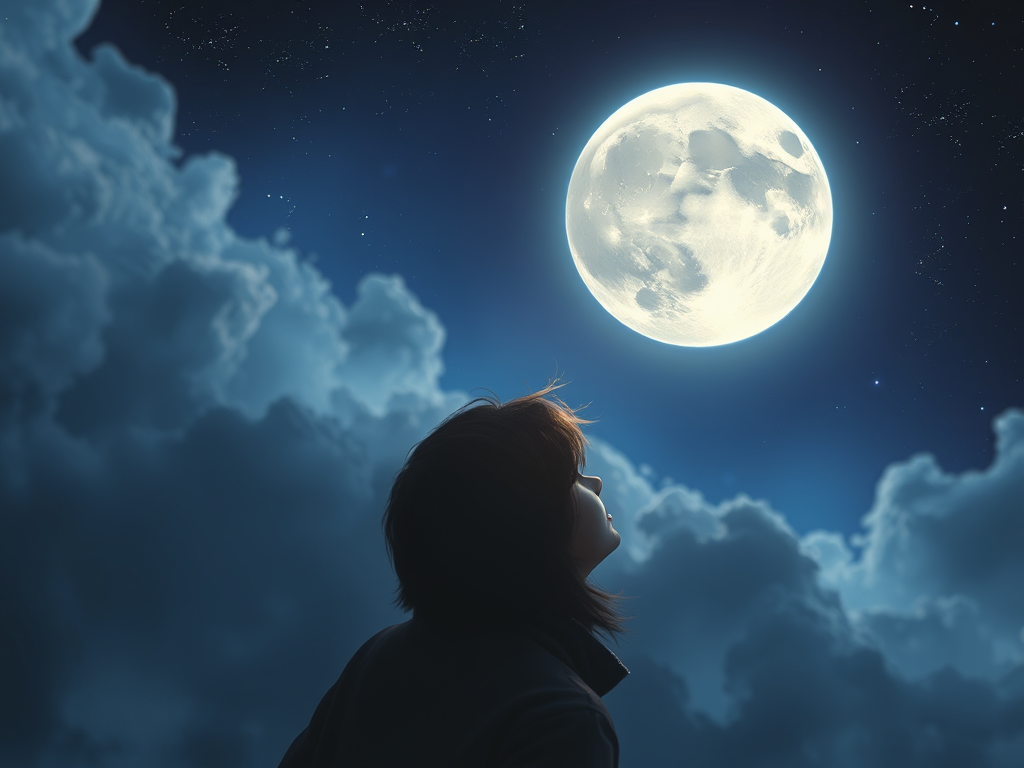
Have you ever glanced up at the night sky and noticed the Moon changing its look? One night it’s glowing bright white, and the next, it’s rocking a dramatic red or cozy orange hue. What up Moon?
Turns out there might be an explanation for that:
Red Moon (aka Blood Moon)
The Blood Moon sounds pretty intense, right? But really, it’s just a total lunar eclipse flexing its stuff. So this is what happens, when Earth slides perfectly between the Sun and the Moon, it blocks direct sunlight from reaching the Moon. So instead of the Moon going completely dark, Earth’s atmosphere scatters the blue light and lets only the red wavelengths pass through. These red rays wrap around Earth and bathe the Moon in a reddish glow, giving it that eerie, yet fascinating—Blood Moon look.
Blue Moon
Then there is “Blue Moon.” Despite the name, the Moon doesn’t actually turn blue. A Blue Moon is simply the second full moon in a calendar month—kind of a rare occurrence, which is where the staying comes from, “Once in a blue moon.”
But, in super rare cases, the Moon can appear bluish if there’s a lot of volcanic ash or wildfire smoke in the atmosphere. These particles scatter red light, allowing the Moon to take on a bluish tint. It’s unusual, but when it happens, it’s definitely a “wow” moment.
Harvest Moon
Ah, the Harvest Moon—this is when the Moon leans into those autumn vibes. Named after the days when farmers used the extra moonlight to harvest crops after sunset, the Harvest Moon often looks orange or yellow. Why? When the Moon is low on the horizon, its light has to travel through more of Earth’s atmosphere, which scatters the shorter blue wavelengths. What’s left? Those beautiful reds, oranges, and yellows that give the Moon its warm, fall-like glow. It’s like nature’s way of setting the perfect fall scene.
Why the Moon Looks Different from Earth
Moon itself doesn’t actually change color. It’s all about how light interacts with Earth’s atmosphere. When the Moon is high in the sky, it typically looks white or pale yellow because the light isn’t passing through much atmosphere. But when it’s low on the horizon or during special events like eclipses, the atmosphere works its magic by scattering different wavelengths of light, creating those cool red, orange, or even blue shades.
So, next time the Moon switches up its look, you’ll know it’s just the atmosphere putting on a show. Science may explain it all, but that doesn’t make it any less awe-inspiring to watch!
Now comment which one is your favorite and why!



Leave a Reply